Can You Eat Dosa While Losing Weight? A Clear, Practical Guide
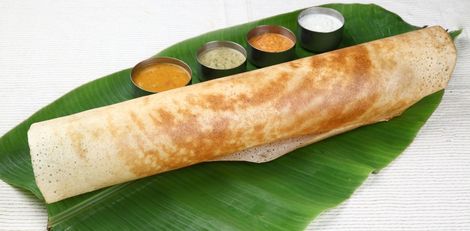
Dosa is more than just a breakfast staple – it’s comfort food enjoyed across India in countless varieties. From moong dal dosa to ragi, oats, jowar, and the classic fermented rice version, its versatility makes it a favourite. But many people trying to lose weight often wonder: Does dosa fit into a weight-loss plan? To understand this, let’s look briefly at the nutrition of a plain dosa. Nutritional Value of Plain Dosa (per 100g) – A medium plain dosa gives around 209 calories, 37 g of carbohydrates, 5.7 g protein, and 3.9 g fat. – These values change based on portion size and the amount of oil or ghee used. Is Dosa Good for Weight Loss? Traditional dosa is carb-heavy, and when paired with potato masala or cooked with too much oil, it can quickly become high in calories. However, with a few smart changes, dosa can definitely fit into a weight-loss routine. The key is controlling portions, choosing healthier variations, and pairing it with lighter sides. How to Make Dosa Weight-Loss Friendly 1. Reduce Portion SizeMake smaller dosas by using less batter. This naturally lowers calories without affecting taste. 2. Try High-Protein Batter OptionsLentil-based dosas like pesarattu and adai are richer in protein and fiber, which help you stay full longer. 3. Use Minimal OilAvoid excess oil or ghee. A light brush of oil is enough to achieve crispness. 4. Pair It SmarterChoose lighter accompaniments like tomato chutney, mint-coriander chutney, or vegetable-rich sambar. Avoid heavier sides like coconut chutney or potato curry when trying to lose weight. High-Protein Dosa Variants PesarattuMade from moong dal, high in protein and fiber, and doesn’t need fermentation. AdaiMade from mixed lentils, more filling than regular dosa, and helps control hunger. Alternative-Grain Dosas for Weight Management Ragi DosaHigh in fiber and low glycemic index, helping you stay full longer. Oats DosaRich in soluble fiber and supports better appetite control. Jowar DosaLow in calories and packed with fiber, making it light and weight-loss friendly. Besan ChillaNot a traditional dosa, but high in protein and lower in carbs, making it a smart alternativive. Colourful Vegetable Dosas Vegetable-added dosas increase nutrients without many calories: – Spinach dosa – Beetroot dosa – Carrot dosa – Tomato dosa – Pumpkin dosa – Mixed vegetable dosa (uttapam style) These are tasty, colourful, and great for kids too. What About Traditional Dosas? Traditional varieties like masala dosa, benne dosa, rava dosa, and onion dosa are delicious but not the best for weight loss because they: – Use more oil – Contain more rice – Often include heavy fillings You can enjoy them occasionally, but choose healthier options for regular meals. Light Side Options to Pair With Dosa Instead of a table, here’s a simple guide: – Sambar is excellent because it’s rich in protein and fiber. – Mint-coriander chutney is low in calories. – Tomato chutney (no oil) adds tanginess with fewer calories. – Podi mixed with curd gives flavour and protein without excess fat. – Plain curd helps keep the meal light and satisfying. Final Takeaway Dosa can absolutely be part of a weight-loss diet when: – Portions are smaller – Oil is minimal – Batter choices are smart – Accompaniments are light With the right tweaks, dosa becomes a nutritious, filling, and weight-loss-friendly meal option. DisclaimerThis article is for informational purposes only and should not replace professional medical or dietary advice. Individual nutritional needs vary. Please consult a qualified healthcare or nutrition professional before making changes to your diet.