Health News

Health News, News

What Happens to Your Body If You Drink Five Cups of Coffee vs Tea Daily for a Month

Coffee and tea are among the most commonly consumed caffeinated beverages. While both provide an energy boost, their effects on the body differ significantly, especially when consumed in higher amounts every day. Coffee vs Tea: How the Body Responds Coffee contains higher caffeine levels, which can deliver a quicker surge of alertness. However, drinking five cups daily may lead to caffeine tolerance, meaning you need more to feel the same effect. Over time, excessive coffee intake can increase stress hormones, cause restlessness, and disrupt sleep quality, leaving some people feeling tired despite adequate rest. Tea, on the other hand, contains less caffeine and also provides L-theanine, an amino acid known to promote calmness and focus. Because of this combination, multiple cups of tea often result in steadier energy levels with a lower risk of anxiety, palpitations, or sleep disturbances. Effects on Nutrient Absorption and Hydration High intake of both beverages can interfere with nutrient absorption. Coffee may reduce the absorption of calcium and iron, particularly when consumed close to meals. Tea, especially black tea, contains tannins that can bind to iron from plant-based foods, making it harder for the body to absorb. Both coffee and tea have mild diuretic effects, but they do not cause dehydration if overall fluid intake is adequate. How Much Caffeine Is Safe? Most healthy adults can safely consume 300-400 mg of caffeine per day. This is roughly equal to 3-4 cups of coffee or 6-8 cups of tea. Regularly exceeding this limit may lead to raised blood pressure, faster heart rate, jitteriness, anxiety, and digestive discomfort. Key Takeaway Moderation is essential. Spacing caffeinated drinks throughout the day, avoiding caffeine late in the evening, and paying attention to how your body reacts can help maintain balanced energy levels. If you notice sleep issues, racing thoughts, or stomach problems, it may be time to cut back or choose decaffeinated or herbal options. Disclaimer This content is intended for general informational purposes only and does not replace professional medical advice. Individual tolerance to caffeine varies. Always consult a qualified healthcare professional if you have underlying health conditions or concerns related to caffeine consumption.


Health News, News

How to Reduce Face Fat Naturally

Many people believe face fat can be reduced through quick tricks or home remedies. In reality, there is no scientific proof that fat can be reduced from just one part of the body. Face fat usually decreases only when overall body fat reduces, and this requires consistent lifestyle changes rather than shortcuts. Why Face Fat Occurs Face fat can develop due to multiple factors, not just weight gain. These include genetics, water retention from high salt intake, poor diet, lack of physical activity, alcohol consumption, inadequate sleep, and age-related changes in fat distribution. If you have excess body fat, it often becomes noticeable in the face as well. The Truth About Spot Reduction It is important to understand that spot fat reduction is a myth. Performing facial exercises or following quick fixes will not burn fat from the face alone. However, healthy and sustained weight loss across the body will eventually reflect in facial appearance, including reduced puffiness and a more defined look. Effective Ways to Reduce Face Fat Focus on Overall Fat Loss Reducing overall body fat plays the biggest role in slimming the face. This can be achieved by maintaining a moderate calorie deficit, improving food quality rather than skipping meals, and avoiding extreme dieting. A balanced diet rich in vegetables, fruits, whole grains, fiber, and protein helps regulate appetite and metabolism. Regular cardio activity combined with strength training supports long-term fat loss and improves circulation. Stay Hydrated and Control Salt Intake Dehydration and excess sodium can cause facial bloating and puffiness. Drinking adequate water throughout the day helps flush excess fluids, while reducing heavily salted and ultra-processed foods helps minimise water retention. Hydration reduces swelling but should not be mistaken for direct fat loss. Prioritise Sleep and Manage Stress Lack of sleep and chronic stress disrupt hormones that regulate hunger and fat storage. Poor sleep quality can lead to increased cravings, weight gain, and facial puffiness. Aim for consistent, quality sleep and adopt stress-reduction practices such as breathing exercises, yoga, or relaxation routines. Be Realistic About Facial Exercises Facial exercises may help strengthen facial muscles or improve awareness of posture, but they do not significantly reduce facial fat. Overdoing them may even lead to muscle fatigue or premature skin lines. They should be seen only as a minor supportive practice, not a solution. Avoid Extreme or Unsustainable Methods Any method promising instant face fat reduction should be viewed with caution. Crash diets, unverified supplements, or aggressive interventions may cause muscle loss, loose skin, hormonal imbalance, or premature ageing. Sustainable weight management is gradual and consistent. Key Takeaway A slimmer face is a byproduct of overall health, not shortcuts. Focus on balanced nutrition, regular physical activity, proper sleep, hydration, and stress management. With patience and consistency, facial fat and puffiness will reduce naturally over time. Disclaimer This content is intended for general educational purposes only and should not be considered medical or nutritional advice. Individual health needs vary. Always consult a qualified healthcare professional, dietitian, or fitness expert before making significant changes to your diet, exercise routine, or weight-loss approach.

Health News, News

Does Sleeping Position Affect Heart Health?

Sleep quality plays a crucial role in overall well-being, including heart health. A common question many people have is whether sleeping on a particular side-especially the right side-can affect the heart. The short answer is that, for most people, it does not. However, comfort and existing health conditions can influence how you feel in different sleeping positions. Sleeping on the Right Side When you sleep on your right side, the heart sits slightly higher in the chest. For some individuals, this position can feel more comfortable and less restrictive, making breathing easier and promoting relaxation. Due to this, people with mild heart discomfort or shortness of breath may sometimes feel calmer when lying on their right side. Are There Any Risks? For healthy individuals, sleeping on either the right or left side is generally safe. There is no strong scientific evidence suggesting that right-side sleeping harms the heart. In fact, some people with heart conditions, including heart failure, may find right-sided sleeping more comfortable. Sleeping on the left side may make some people more aware of their heartbeat, as the heart lies closer to the chest wall. While this is not dangerous, it can increase anxiety or disturb sleep in sensitive individuals. Which Side Is Best for Heart Health? There is no universally best side for everyone. The healthiest sleeping position is the one that allows you to: – Fall asleep easily – Stay asleep without discomfort – Wake up refreshed and without breathlessness or chest heaviness Deep, uninterrupted sleep is far more important for heart health than the side you choose. If You Have Heart Problems or Sleep Issues If you have heart concerns or experience disturbed sleep: – Try both right and left sides to see which feels more comfortable – Use extra pillows for support – Avoid forcing a position that feels unnatural Listen to your body – comfort is key. Key Takeaway Sleeping on the right side is not bad for your heart. Focus on achieving restful, high-quality sleep in a position that feels natural to you. Good sleep supports not only heart health but also mental and physical well-being. Disclaimer This content is for informational purposes only and does not replace professional medical advice. If you have heart conditions or ongoing sleep problems, consult a qualified healthcare professional for personalized guguidance.

Health News, News

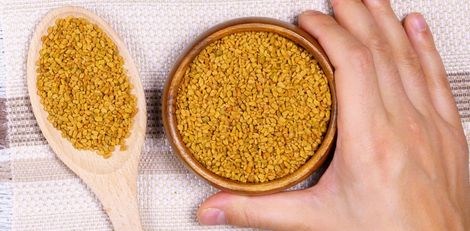
Hidden Health Benefits of Fenugreek: From Testosterone Support to Weight Management

Fenugreek is more than just a cooking ingredient-it is a natural food with multiple health-supporting properties. Known for its cooling effect on the body, fenugreek is often used to improve digestion, regulate hormones, and support weight goals. Many people wonder whether it should be soaked, sprouted, or taken raw, and whether it affects the liver or digestion. Here’s a clear breakdown of its key benefits. Testosterone and Hormonal Balance Fenugreek may help naturally support testosterone levels in men. Certain compounds in the seeds are believed to aid hormonal regulation and energy levels, offering gradual but noticeable benefits over time. For women, fenugreek can also be helpful: – It may improve insulin sensitivity, which supports better hormonal balance. – It may assist in managing PCOS symptoms. – It may help ease menopause symptoms, such as mood fluctuations. – Fenugreek is traditionally used to support breast milk production in new mothers. Blood Sugar Regulation Fenugreek can support healthy blood sugar levels. Studies suggest it may: – Help lower HbA1C levels – Improve insulin response– Increase GLP-1, a gut hormone involved in blood sugar regulation For many individuals, soaking fenugreek seeds overnight and consuming them the next morning is considered especially beneficial. Weight Loss and Appetite Control Fenugreek seeds are rich in soluble fiber, which forms a gel-like substance in the stomach. This helps: – Slow digestion– Create a long-lasting feeling of fullness– Naturally reduce calorie intake Because of this, fenugreek can support weight-loss efforts when paired with balanced eating and an active lifestyle. It does not provide instant results, but it can be a useful long-term aid. Is Fenugreek Harmful to the Liver? Fenugreek is generally considered safe for the liver and does not cause liver damage when consumed in normal dietary amounts. Disclaimer This content is for educational purposes only and should not be taken as medical advice. Individuals with medical conditions such as diabetes, hormonal disorders, or digestive issues should consult a healthcare professional before adding fenugreek or any new supplement to their routine.

Health News, News

Can You Eat Dosa While Losing Weight? A Clear, Practical Guide

Dosa is more than just a breakfast staple – it’s comfort food enjoyed across India in countless varieties. From moong dal dosa to ragi, oats, jowar, and the classic fermented rice version, its versatility makes it a favourite. But many people trying to lose weight often wonder: Does dosa fit into a weight-loss plan? To understand this, let’s look briefly at the nutrition of a plain dosa. Nutritional Value of Plain Dosa (per 100g) – A medium plain dosa gives around 209 calories, 37 g of carbohydrates, 5.7 g protein, and 3.9 g fat. – These values change based on portion size and the amount of oil or ghee used. Is Dosa Good for Weight Loss? Traditional dosa is carb-heavy, and when paired with potato masala or cooked with too much oil, it can quickly become high in calories. However, with a few smart changes, dosa can definitely fit into a weight-loss routine. The key is controlling portions, choosing healthier variations, and pairing it with lighter sides. How to Make Dosa Weight-Loss Friendly 1. Reduce Portion SizeMake smaller dosas by using less batter. This naturally lowers calories without affecting taste. 2. Try High-Protein Batter OptionsLentil-based dosas like pesarattu and adai are richer in protein and fiber, which help you stay full longer. 3. Use Minimal OilAvoid excess oil or ghee. A light brush of oil is enough to achieve crispness. 4. Pair It SmarterChoose lighter accompaniments like tomato chutney, mint-coriander chutney, or vegetable-rich sambar. Avoid heavier sides like coconut chutney or potato curry when trying to lose weight. High-Protein Dosa Variants PesarattuMade from moong dal, high in protein and fiber, and doesn’t need fermentation. AdaiMade from mixed lentils, more filling than regular dosa, and helps control hunger. Alternative-Grain Dosas for Weight Management Ragi DosaHigh in fiber and low glycemic index, helping you stay full longer. Oats DosaRich in soluble fiber and supports better appetite control. Jowar DosaLow in calories and packed with fiber, making it light and weight-loss friendly. Besan ChillaNot a traditional dosa, but high in protein and lower in carbs, making it a smart alternativive. Colourful Vegetable Dosas Vegetable-added dosas increase nutrients without many calories: – Spinach dosa – Beetroot dosa – Carrot dosa – Tomato dosa – Pumpkin dosa – Mixed vegetable dosa (uttapam style) These are tasty, colourful, and great for kids too. What About Traditional Dosas? Traditional varieties like masala dosa, benne dosa, rava dosa, and onion dosa are delicious but not the best for weight loss because they: – Use more oil – Contain more rice – Often include heavy fillings You can enjoy them occasionally, but choose healthier options for regular meals. Light Side Options to Pair With Dosa Instead of a table, here’s a simple guide: – Sambar is excellent because it’s rich in protein and fiber. – Mint-coriander chutney is low in calories. – Tomato chutney (no oil) adds tanginess with fewer calories. – Podi mixed with curd gives flavour and protein without excess fat. – Plain curd helps keep the meal light and satisfying. Final Takeaway Dosa can absolutely be part of a weight-loss diet when: – Portions are smaller – Oil is minimal – Batter choices are smart – Accompaniments are light With the right tweaks, dosa becomes a nutritious, filling, and weight-loss-friendly meal option. DisclaimerThis article is for informational purposes only and should not replace professional medical or dietary advice. Individual nutritional needs vary. Please consult a qualified healthcare or nutrition professional before making changes to your diet.

Health News, News

Why Eating Healthy Feels Difficult – And Practical Ways to Make It Easier

Maintaining a healthy diet sounds simple, yet many people struggle with it daily. In a culture where food is deeply tied to celebration, comfort, and routine, choosing healthier options is not always easy. Understanding why this happens can help you build habits that truly last. Below are the social and psychological factors that influence what we eat – and simple steps to make healthy eating part of everyday life. Why Healthy Eating Feels So Challenging Social Factors That Affect Our Food Choices 1. Busy SchedulesFast-paced lifestyles often push people toward quick takeout or packaged foods. These options may save time but are usually high in calories and low in nutrition. 2. Lack of RoutineIrregular eating patterns cause impulsive snacking – especially fried, sweet, or processed foods often enjoyed with tea or during breaks. 3. Social PressureIn many households, refusing rich festive foods can feel rude. Cultural expectations often make it difficult to choose a healthier option without feeling left out. 4. Fad DietsTrendy diets promise fast results but rarely sustain long-term health. They may lead to nutrient imbalance and repeated weight fluctuations. Psychological Factors That Shape Eating Behaviour 1. Emotional or Stress EatingFood becomes a reward or comfort during stress, loneliness, or celebration. This often leads to overeating without hunger. 2. Depression or Low MoodEmotional health influences appetite. Some people eat excessively, while others skip meals – both affecting overall nutrition. 3. Childhood ConditioningMany grow up believing love is shown through rich, heavy meals. This makes healthier options like salads or steamed foods feel “less satisfying.” 4. Undervaluing Healthy FoodsIn traditional meals, raw vegetables or salads are often seen as side items, not essential components of nutrition. 5. Eating DisordersExtreme dieting, obsession with food, or unusual eating behaviour may indicate deeper mental health concerns that require professional support. Practical Ways to Make Healthy Eating a Habit 1. Relearn Food PatternsTry offering fresh fruits, roasted snacks, or vegetable-based starters instead of deep-fried items during gatherings or celebrations. 2. Start Early With ChildrenAvoid rewarding kids with sweets or junk food. Use appreciation, activities, or small privileges as encouragement instead. 3. Create a RoutinePlan meals in advance. Simple weekly meal prep prevevents last-minute unhealthy choices. 4. Get Support From Family & FriendsSharing your goals helps you stay accountable and may encourage others to join the journey with you. 5. Practice Mindful EatingEat without distractions. Pay attention to texture, flavour, and fullness, which naturally reduces overeating. Building a Sustainable Healthy Lifestyle Healthy eating becomes easier when it fits your lifestyle and cultural habits rather than fighting against them. By reshaping your mindset, planning ahead, and seeking support, you can build habits that benefit your long-term health – without giving up the foods you love completely. Disclaimer:This article is intended for general awareness and lifestyle guidance only. It is not a substitute for personalized medical advice, diagnosis, or treatment. Dietary needs vary for each individual, especially for those with existing health conditions. Always consult a qualified healthcare professional before making significant changes to your eating habits or nutrition plan.

Health News, News

Can Cold Showers Really Improve Insulin Sensitivity?

Cold showers have long been popular for boosting alertness, increasing blood circulation, and offering a refreshing start to the day. But beyond these well-known benefits, they may also have a significant impact on metabolic health, particularly insulin sensitivity, which is crucial for managing blood sugar levels and lowering the risk of diabetes. Even brief exposure to cold water can activate certain processes in the body, helping muscles absorb glucose more efficiently and supporting healthier metabolism. This raises an important question: Do cold showers truly improve insulin sensitivity? How cold showers may influence insulin sensitivity Experts note that cold water exposure can activate brown adipose tissue (brown fat)-a type of fat that burns calories to generate heat. This activation can increase glucose uptake by muscles and fat cells, which may enhance insulin sensitivity over time. Cold exposure also triggers a mild, beneficial stress response in the body. This response stimulates certain hormones and activates pathways that improve cellular glucose metabolism while reducing overall inflammation. Together, these effects can help the body respond more effectively to insulin. Ideal duration, temperature, and frequency Research on humans is still limited, and there is no single recommended protocol. However, studies suggest that exposing the body to cold water around 10-15°C for a few minutes, several times a week, may stimulate brown fat and support metabolic health. Consistency is more important than duration. It’s best to gradually introduce the body to colder temperatures to prevent unnecessary stress or shock. Is it safe for people with diabetes or prediabetes? Many people with diabetes or prediabetes may incorporate cold showers safely if they start slowly. Beginning with mildly cool water for short periods allows individuals to monitor how their body responds before progressing to colder temperatures. Who should be cautious? Those with heart conditions, neurological disorders, or uncontrolled blood sugar levels should consult their healthcare provider before trying cold showers, as sudden cold exposure can cause rapid changes in heart rate or blood pressure. Overall, cold showers should be considered an additional lifestyle practice, not a replacement for medical treatment, proper nutrition, or exercise. Disclaimer:This content is intended for general awareness only. It should not be used to diagnose, treat, or manage any health condition. If you have concerns about your blood sugar, metabolic health, or cold exposure practices, please speak with a licensed healthcare professional before making any changes.

Health News, News

Simple Lifestyle Habits That Can Help Lower High Blood Pressure Naturally

High blood pressure doesn’t always require medication right away. In many cases, daily lifestyle choices can make a powerful difference in lowering your numbers and reducing long-term health risks. Below are 10 practical, easy-to-follow habits that can support healthier blood pressure levels. 1. Maintain a Healthy Weight Blood pressure often rises as weight increases. Carrying extra weight — especially around the waist — adds strain on the heart. Even losing a small amount of weight can help bring your blood pressure down. A healthy waist size varies from person to person, so check with your healthcare provider for the ideal range. 2. Stay Physically Active Regular movement can lower blood pressure by 5 to 8 mm Hg. Aim for at least 30 minutes of moderate activity each day, such as walking, cycling, swimming, dancing, or strength training. Consistency is key for long-term benefits. 3. Follow a Heart-Healthy Diet A diet rich in fruits, vegetables, whole grains, lean proteins, and low-fat dairy can significantly reduce blood pressure. Eating plans like the DASH diet or the Mediterranean diet are especially effective. Getting enough potassium from natural foods also helps counteract the effects of sodium. 4. Reduce Sodium Intake Cutting back on sodium improves heart health and lowers blood pressure. Try to keep your intake below 2,300 mg per day, and ideally around 1,500 mg. Tips: – Choose fresh foods– Read labels carefully– Cook at home– Use herbs instead of salt 5. Limit Alcohol Too much alcohol raises blood pressure. Keep it moderate:– Women: up to 1 drink a day– Men: up to 2 drinks a dayDrinking beyond this can increase blood pressure and reduce the effectiveness of medications. 6. Quit Smoking Every cigarette causes a temporary spike in blood pressure. Stopping smoking improves blood pressure, reduces the risk of heart disease, and supports overall health. 7. Get Enough Restful Sleep Adults should aim for 7–9 hours of sleep each night. Poor sleep or sleep disorders like apnea, insomnia, or restless legs can contribute to high blood pressure. Improving your sleep routine can support healthier heart function. 8. Learn to Manage Stress Chronic stress can elevate blood pressure. Once you identify your main stressors — such as work pressure, family demands, finances, or health concerns — you can take steps to manage them. Helpful practices inclclude: – Setting realistic priorities– Practicing deep breathing– Taking short breaks– Scheduling relaxation time– Focusing on gratitude 9. Monitor Your Blood Pressure at Home Home monitoring helps you understand your numbers and track progress. Regular checkups with a healthcare provider ensure you’re on the right path with your lifestyle changes or treatments. 10. Keep Cholesterol and Blood Sugar Under Control High blood sugar and high cholesterol increase the risk of heart disease. The same healthy habits that improve blood pressure — exercise, balanced eating, weight management, and not smoking — also support better cholesterol and glucose levels. Final Thoughts Making these changes is a gradual journey, and it’s normal to have challenging days. Support from family, friends, or community groups can make the process easier and help you stay motivated. Health Disclaimer This information is intended for general awareness only and should not be used as a replacement for medical advice, diagnosis, or treatment. Always consult a qualified healthcare professional for personalized guidance regarding blood pressure or any other health condition.

Health News, News

Workplace Stress Explained: Symptoms, Triggers, and Healthy Coping Strategies

Workplace stress is becoming increasingly common in today’s fast-paced work culture. Long hours, demanding deadlines, and constant pressure can leave anyone feeling overwhelmed. At its core, workplace stress occurs when the expectations placed on you exceed what you can reasonably handle, especially when support or control over your tasks is limited. Research shows that chronic stress can affect your emotional well-being, leading to exhaustion, frustration, and disengagement. Over time, it may increase the risk of heart disease, reduce immunity, and contribute to conditions such as anxiety, depression, and insomnia. Recognizing the signs early can help you regain control and protect your well-being. Warning Signs of Workplace Stress Stress often appears in different forms. These signs usually fall into three categories: 1. Behavioral ChangesAvoiding colleagues, isolating yourself during breaks, frequent absences, mood swings, procrastination, and losing interest in work can all signal rising stress. 2. Psychological SymptomsEveryday tasks may start feeling overwhelming. Negative thoughts, difficulty focusing, self-doubt, or dissatisfaction with your performance are common indicators. 3. Physical SymptomsPersistent tiredness, headaches, digestive discomfort, and sleep disturbances are often linked to stress. Common Triggers in High-Pressure JobsWorkplace pressure usually stems from specific causes:– Heavy workload– Unrealistic deadlines– Lack of support from managers or peers– Toxic or politically charged environmentsEven small ongoing issues—like sudden policy changes or job insecurity—can slowly contribute to chronic stress. How to Manage Stress at WorkTaking early steps to manage stress can help protect both your mental and physical health: 1. Identify Your Stress TriggersPay attention to what situations, people, or tasks make you tense or anxious. 2. Speak Up About Your ConcernsSharing your thoughts with a colleague, friend, or supervisor can lighten the emotional load and help you explore solutions. 3. Set Healthy BoundariesEstablish clear working hours and guard your personal time to rest and recover. 4. Take Short, Regular BreaksMicrobreaks help refresh your mind and prevent burnout. 5. Put Your Health FirstStay hydrated, eat well, and avoid skipping meals during long workdays. 6. Seek Professional Support When NeededIf stress becomes overwhelming, counselling or therapy can help you regainin balance. How Employers Can Help Reduce StressOrganizations play a key role in shaping a healthy work environment: – Encourage honest communication– Review and adjust rigid policies– Promote work–life balance through flexible schedules and well-being initiatives Finding Balance in Demanding CareersHealthy boundaries, unplugging from devices regularly, practicing self-care, managing time wisely, and maintaining good nutrition and sleep can help you strike a sustainable balance. When to Reach Out for Professional HelpIf you experience ongoing fatigue, emotional instability, disrupted sleep or appetite, loss of motivation, or unhealthy coping habits, it may be time to seek expert guidance. Asking for help is a sign of strength and can put you on a path toward better mental and physical well-being. Health Disclaimer:This content is meant for general awareness only and should not be taken as medical or psychological advice. For personalized guidance regarding stress, mental health, or overall well-being, please speak with a qualified healthcare or mental health professional.

Health News, News

Is Drinking Beetroot Juice Really This Beneficial? Lets Take a Closer Look

Beetroot is a nutrient-rich vegetable packed with vitamins B9 and C, along with essential minerals like potassium, iron, and magnesium. It also contains dietary fiber, making it a simple yet powerful addition to your daily diet—especially when consumed as juice. Beetroot juice can help support healthy blood sugar levels. Research from Iceland suggests that certain fibers in beetroot may help manage hyperglycemia. Studies in the UK also indicate that drinking beetroot juice may help regulate post-meal sugar spikes. In addition, the naturally occurring nitrates in beetroot may help maintain normal blood pressure. Findings from multiple studies suggest that consistent intake of beetroot juice for about a week may help improve heart function, support blood flow, and even reduce the risk of heart disease and stroke. Some U.S. research also points to its potential role in lowering the chances of heart-related issues. Animal studies further highlight beetroot’s role in supporting oxygen supply to muscles, which may contribute to better stamina and physical performance. Beetroot juice is also linked to potential anti-cancer properties, mainly due to a compound called betanin. Research from Howard University indicates that beetroot may help protect against lung and skin cancer. Because beetroot contains calcium, it may also contribute to stronger bones and teeth. A Japanese study notes that beetroot-derived nitrates convert to nitric oxide in the body, which may support bone health and offer benefits for conditions like osteoporosis. Including beetroot regularly in your meals or as a juice can help supply your body with valuable nutrients that support overall wellness. Health Disclaimer:This article offers general information only and should not be viewed as medical guidance. For personalized recommendations regarding diet, health conditions, or diabetes management, please consult a certified healthcare professional.   

Scroll to Top