Health News

Health News, News

Honey Consumption: Who Should Avoid It and Why

Honey is often considered a healthier alternative to white sugar, but it is not suitable for everyone. Below are the groups who should avoid honey and the reasons behind it: 1. Elderly People and Diabetics – Honey contains glucose and fructose, which can increase blood sugar levels.– People with diabetes and elderly individuals should avoid honey or consume it only in limited quantities. 2. People with Bee-Related Allergies – Individuals allergic or hypersensitive to honey, bee pollen, or other bee products should completely avoid honey. 3. People on Blood-Thinning Medication – Honey may slow blood clotting.– Those taking anticoagulant or antiplatelet medicines should avoid honey to reduce the risk of excessive bleeding. 4. Infants Under One Year – Honey should never be given to babies below one year, especially raw or unprocessed honey.– It may contain bacteria, bee parts, insects, or chemical residues.– Consumption can cause vomiting, stomach upset, fever, or serious health complications. 5. Recommended Daily Limits – As per the American Heart Association:• Men: Up to 9 teaspoons (36 grams) per day• Women: Up to 6 teaspoons (24 grams) per day– Excess intake may cause digestive issues, bloating, constipation, diarrhea, and stomach pain. Disclaimer: This content is for informational purposes only and does not replace medical advice. Always consult a qualified healthcare professional before making dietary changes.

Health News, News

How Long Can Raw Chicken Be Stored in the Fridge? What Happens If You Keep It Too Long?

In modern times, many people prefer ordering chicken online rather than buying it from the market. However, experts warn that storing raw chicken for several days before cooking can be dangerous. Fridge Storage Guidelines – Raw chicken can be kept in the fridge for 1 to 2 days.– It should be cooked within 48 hours of purchase. Freezer Storage for Longer Preservation – If you plan to use chicken after 48 hours, store it in the freezer.– Whole chicken can last 9 to 12 months in the freezer.– Cut or portioned chicken can last 6 to 8 months.– Avoid taking it out in between to maintain quality and safety. Special Precautions – Pre-cut or packaged chicken has a shorter shelf life, less than 48 hours, so keep it separate in the fridge.– Store chicken in airtight containers to prevent bacterial growth that can affect other foods.– Wash chicken before cooking and sanitize sinks, stoves, and cutting boards to avoid cross-contamination.– In summer, chicken can spoil within 2 hours after being taken out of the fridge.– Signs of spoiled chicken include bad odor, color change to brown or yellow, and sticky texture. Dispose of it immediately if these appear. Important Storage Tip Avoid storing raw chicken in plastic containers in the freezer, as they can retain moisture and promote bacterial growth. Glass or steel airtight containers are recommended for safe storage. Disclaimer: This information is for informational purposes only and does not replace professional advice. Follow proper food safety practices to avoid any health risks.

Health News, News

Walking vs Running: Which Is Better for Your Health?

Both walking and running are effective forms of cardiovascular exercise. Neither is universally better – the right choice depends on your health goals, fitness level, and physical comfort. Key Health Benefits (Both Activities) – Support weight management– Strengthen the heart and lungs– Improve mood and reduce stress– Lower the risk of chronic diseases– Boost overall endurance and energy Walking: Best For – Beginners or people with joint issues– Low-impact, sustainable exercise– Consistent daily movement– Lower injury risk Brisk or power walking can significantly raise heart rate. Incline walking or using a light weighted vest (5-10% body weight) can increase calorie burn without added joint strain. Running: Best For – Faster calorie burn– Quicker weight-loss results– Improving cardiovascular fitness efficiently However, running is high-impact and may increase the risk of overuse injuries such as stress fractures or plantar fasciitis, especially without proper recovery. Weight Loss Comparison – Running burns more calories per minute– Walking can achieve similar results if done longer or with higher intensity– Consistency matters more than intensity Which Should You Choose? – Choose walking if you want a safe, long-term habit– Choose running if your body tolerates impact and your goal is faster calorie burn– A combination of both often works best   Disclaimer: This content is for general informational purposes only and is not a substitute for medical advice. Consult a qualified healthcare professional before starting or changing any exercise routine.

Health News, News

Sugar for Children: Jaggery vs Refined Sugar and When to Introduce It

Many parents wonder whether they can give sugar or jaggery to their young children. The key advice from experts is clear: avoid giving any direct sweeteners to children, especially under 2 years of age. Guidelines for Introducing Sweet Foods – The World Health Organization recommends exclusive breastfeeding for the first 6 months.– After 6 months, nutritious complementary foods can be introduced, avoiding added salt and sugar.– Breastfeeding can continue up to 2 years, depending on convenience and preference. Sugar vs Jaggery – Both sugar and jaggery provide calories, but sugar has no nutritional value.– Jaggery contains some natural nutrients like iron, but that does not mean it can be freely given to children after 2 years.– Excess jaggery may still cause sudden energy spikes, fatigue, and dental issues. Safer Alternatives – Introduce natural sweet foods like banana, apple, and other fruits instead of direct sugar or jaggery.– Observe your child for any digestive discomfort or unusual symptoms after trying new foods and consult a doctor if necessary. DISCLAIMER: This information is for general guidance only. Consult a pediatrician or qualified healthcare professional before making changes to your child’s diet.

Health News, News

Effective Cardio Workouts for Weight Loss and Better Fitness

Modern lifestyles often involve long hours of sitting, low energy levels, and gradual weight gain. Cardio exercise is one of the simplest and most effective ways to reverse this trend. It helps burn calories, improves heart health, and boosts overall stamina-making daily activities feel easier and more enjoyable. What Is Cardio Exercise? Cardio, or cardiovascular exercise, includes any activity that raises your heart rate and breathing. Examples include walking, jogging, cycling, dancing, or swimming. These movements help your heart and lungs work more efficiently while supporting fat loss and mental well-being. Health Benefits of Cardio Regular cardio offers multiple benefits beyond weight loss: – Supports heart health and improves circulation– Aids weight loss by creating a calorie deficit– Improves mood by releasing feel-good hormones– Enhances sleep quality and daily energy– Builds endurance for everyday tasks Best Cardio Exercises to Burn Calories You can choose activities based on your comfort and fitness level: – Walking or brisk walking– Jogging or running– Cycling (outdoor or stationary)– Swimming– Dancing (Zumba or freestyle)– Skipping rope– HIIT and circuit-style workouts– Stair climbing or hiking– Sports like football, tennis, or basketball Consistency matters more than intensity. Even 20-30 minutes a day can make a noticeable difference over time. Cardio at Home If going out isn’t possible, home-based cardio works well. Skipping, stair climbing, spot jogging, dance workouts, or even energetic household chores can help you stay active and burn calories. Cardio vs Diet for Weight Loss Cardio and diet work best together. Exercise burns calories, while a balanced, portion-controlled diet prevents excess intake. Sustainable weight loss depends on consistency in both. Disclaimer This article is for informational purposes only and does not replace professional medical advice. Consult a qualified healthcare or fitness professional before starting any new exercise routine, especially if you have existing health conditions.   

Health News, News

How to Stay Awake at Work and Beat Daytime Fatigue

Feeling sleepy at work is common and can affect focus, productivity, and safety. While naps during work are not always possible, a few simple habits can help you stay alert. Move your body. A short walk before work or brief activity breaks during the day improve blood flow and alertness. Stay hydrated. Drinking enough water helps prevent fatigue and improves concentration better than relying only on caffeine. Use caffeine wisely. Have it early in your shift. Late caffeine can disturb sleep and worsen next-day tiredness. Keep your space bright. Natural light or bright indoor lighting helps signal wakefulness to the brain. Snack smart. Choose snacks with protein and complex carbs. Avoid sugary foods that cause energy crashes. Listen to music or use energizing scents. Upbeat music or scents like peppermint and citrus can boost alertness. Lifestyle Habits That Help Long-Term Improve sleep quality. Reduce screen time before bed, keep your bedroom quiet and dark, and avoid caffeine or alcohol at night. Maintain a routine. Consistent sleep timings and planned naps, if needed, help regulate your body clock. Disclaimer This content is for general information only and is not a substitute for medical advice. If excessive sleepiness continues, consult a qualified healthcare professional.   

Health News, News

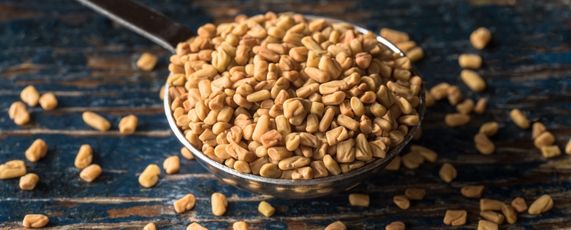
Soaked Fenugreek Seeds: Natural Health Benefits From Better Digestion to Weight Management

Soaking fenugreek seeds overnight and consuming them the next morning is a traditional practice that is now supported by modern nutrition science. Soaked fenugreek seeds are known to improve digestion, relieve constipation, and support overall metabolic health, making them a simple yet powerful addition to your daily routine. One of the most well-known benefits of soaked fenugreek is its role in blood sugar regulation. Research has shown that adults with type 2 diabetes who consumed around 10 grams of soaked fenugreek seeds daily for 60 days experienced a noticeable reduction in blood glucose levels. The soluble fiber in fenugreek improves insulin sensitivity and helps maintain stable sugar levels throughout the day. Fenugreek is also valued for its ability to boost immunity and enhance metabolism. Rich in antioxidants and essential amino acids, it supports the body’s natural defense mechanisms and helps the metabolism function more efficiently. This metabolic support plays an important role in weight loss and long-term weight management. When fenugreek seeds are soaked, their hard outer layer softens, making them easier to chew and digest. Soaking also activates beneficial enzymes and releases compounds such as galactomannan, which helps the body absorb nutrients more effectively and reduces digestive discomfort. Digestive and gut health is another key benefit. The high soluble fiber content promotes regular bowel movements, reduces bloating, acidity, and gas, and helps maintain a healthy gut. Consuming soaked fenugreek on an empty stomach in the morning is often recommended for optimal digestive support. Soaked fenugreek seeds also contribute to healthy skin and hair. Their anti-inflammatory and antioxidant properties help reduce acne, skin irritation, dandruff, and hair fall. Regular consumption may improve skin hydration and support stronger, shinier hair from within. Additionally, fenugreek supports hormonal balance, particularly in women dealing with menstrual irregularities or conditions such as PCOS. By helping regulate hormone levels, it may reduce fatigue, discomfort, and inflammation associated with hormonal imbalance. How to consume soaked fenugreek seeds:Soak one to two teaspoons of fenugreek seeds in a small glass of water overnight. In the morning, chew the softened seeds thoroughly and drink the remaining water. For best results, consume them on an empty stomach. Avoid exceeding the recommended quantity, as excessive fiber intake may cause discomfort. Disclaimer: This article is for informational purposes only and is based on publicly available research and traditional dietary practices. Always consult a qualified healthcare professional before making changes to your diet, especially if you have an existing medical condition.

Health News, News

What Your Sleep Habits Reveal About Your Nervous System

Waking up tired despite enough sleep, frequent night awakenings, sweating, or feeling “wired but exhausted” are not always caused by stress alone. Experts explain that these signs often point to a dysregulated nervous system, where cortisol levels and circadian rhythm are out of balance. When the body remains stuck in fight-or-flight mode even during sleep, true rest and recovery do not occur. 8 Sleep Behaviours You Should Not Ignore – Waking up sweaty: Indicates elevated cortisol and adrenaline levels during the night.– Teeth grinding or jaw clenching: A physical release of tension linked to anxiety, gut stress, and poor recovery.– Frequent nightmares: Suggests brain overstimulation disrupting REM sleep.– Sleeping with curled or “T-rex” arms: Shows the nervous system is still holding stress while resting.– Talking in sleep: The mind continues emotional processing instead of entering deep sleep.– Sleepwalking: A heightened stress response keeps the body active when it should be resting.– Multiple night awakenings: Often related to cortisol spikes or digestive imbalances.– Difficulty falling asleep: A sign that the cortisol rhythm may be reversed. Psychiatrists explain that restless or fragmented sleep reflects an overactive sympathetic nervous system, while deep, uninterrupted sleep signals healthy parasympathetic (rest-and-digest) activation. How to Regulate Your Nervous System for Better Sleep Experts recommend simple, consistent practices to calm the nervous system: – Slow diaphragmatic breathing to activate the vagus nerve– Reduced screen exposure before bedtime– Consistent sleep and wake timings– Cold exposure, such as splashing cold water on the face– Grounding techniques, including barefoot walking or sensory awareness– Vagal nerve stimulation through humming, singing, or gargling A well-regulated nervous system relies heavily on stable sleep cycles, balanced blood sugar, regular meals, physical activity, and 7-9 hours of quality sleep. DISCLAIMER: This content is for educational purposes only and is not a substitute for medical advice. Always consult a qualified healthcare professional before starting any new health routine.

Health News, News

Why Staying Consistent With Workouts Is So Hard: The Science Explained

Many people start exercising with enthusiasm but struggle to stay consistent. This is not a lack of willpower-it is often the result of psychological, biological, and lifestyle factors working against routine formation. 1. Busy Schedules and Time Pressure Modern lifestyles make it difficult to follow rigid workout timings. The belief that exercise must happen in the morning often adds unnecessary pressure. Exercise is beneficial at any time of day, and flexibility improves adherence. 2. Fear of Movement After Injury (Kinesiophobia) After pain, injury, or surgery, many people fear that movement will worsen their condition. While short-term rest is necessary, prolonged inactivity can increase pain sensitivity and reduce confidence. Gradual, guided movement helps rebuild trust in the body. 3. Declining Motivation Motivation is not constant. Missing a few sessions can create guilt and a negative feedback loop. Results also take time, which can feel discouraging. Small, manageable routines are more effective than intense plans that are hard to sustain. 4. Mental Health Challenges Low mood or depression can significantly reduce energy, interest, and motivation. This makes regular exercise feel overwhelming. Addressing mental health is often a prerequisite for physical consistency, not a separate issue. 5. Lack of Personalised Guidance Generic workout plans may not suit individual fitness levels, age, or health conditions. This increases the risk of injury and disappointment. Exercise works best when treated like medicine-with the right type, intensity, and duration for the individual. 6. Gym Anxiety Fear of judgment, unfamiliar equipment, or restarting after a break can create anxiety. This often leads to avoidance. Starting slowly, choosing quieter environments, and building confidence gradually can reduce this barrier. The Takeaway Workout inconsistency is rarely about laziness. It is usually driven by time constraints, fear, mental health, lack of guidance, or unrealistic expectations. Sustainable fitness comes from flexibility, self-compassion, gradual progress, and support, not extreme routines. DISCLAIMER: This content is for educational purposes only and does not replace professional medical or psychological advice. Consult qualified health professionals for personalised guidance.

Health News, News

Saffron in Pregnancy: Benefits, Myths, and Safe Use Explained

Many pregnant women are told that saffron milk will make their baby fair. This is a myth. Skin colour is purely genetic and cannot be changed by saffron or any food. Still, saffron is often recommended during pregnancy because it offers several health benefits when taken moderately and with medical guidance. Why saffron is advised during pregnancy Saffron is rich in antioxidants and may support overall maternal health. Experts note the following benefits: – Improves digestion: Pregnancy can slow digestion, causing constipation. Saffron-infused milk or porridge may help ease this discomfort. – Supports emotional well-being: Saffron has natural mood-enhancing properties that may reduce anxiety, irritability, and emotional fluctuations common during pregnancy. – Helps manage mild blood pressure variations: When used in small amounts, saffron may help stabilize blood pressure. – Reduces nausea: Moderate saffron intake may ease morning sickness, especially in early pregnancy. – Eases cramps and body aches: As the uterus expands, muscles stretch and may cause cramps. Saffron may provide mild relief. – Supports healthy iron levels: It may help maintain hemoglobin when included alongside iron-rich foods and supplements. – Promotes better sleep: Saffron has mild calming effects that can support restful sleep during pregnancy. – Improves skin health: It may help reduce pregnancy-related breakouts and uneven skin tone, though it does not make the baby fair. How much saffron is safe? Experts recommend 2-3 strands in milk once a day, but only after consulting your gynecologist. Excessive intake may cause unwanted effects such as: – nausea – anxiety – nosebleeds Always follow your doctor’s guidance before adding saffron to your pregnancy routine. DISCLAIMER: This summary is based on publicly available expert insights. It is not a substitute for medical advice. Always consult your healthcare professional before making dietary changes during pregnancy.

Scroll to Top