Health News

Health News, News

When Anxiety and Sleepless Nights Feed Each Other: Understanding the Vicious Cycle

Sleepless nights and anxious minds often go hand in hand, creating a relentless cycle that can affect mood, focus, and overall well-being. Experts say this is becoming an invisible epidemic in modern life. How Sleep and Anxiety InteractDr. Sibasish Dey, Head of Medical Affairs, South Asia, Resmed, explains that poor sleep and anxiety are closely linked — “two sides of the same coin.” – Lack of sleep raises stress hormones like cortisol, making emotional regulation harder.– The next day, increased anxiety and irritability make it even harder to fall asleep at night. This creates a self-reinforcing loop affecting millions, from young professionals to students juggling erratic schedules. The Science Behind the Sleepless SpiralDr. Dey identifies four key mechanisms connecting sleep loss with anxiety: 1. Neuroinflammation: Sleep deprivation triggers inflammation in the brain, impairing cognition and increasing susceptibility to anxiety and depression.2. Gut-Brain Disruption: Poor sleep affects gut bacteria, which communicate with the brain, worsening stress and mood regulation.3. Emotional Dysregulation: Sleep loss weakens the prefrontal cortex, allowing the amygdala (the brain’s fear centre) to overreact to minor triggers.4. Hormonal Imbalance: Elevated nighttime cortisol keeps the nervous system on high alert, preventing restful sleep. How Anxiety Interferes with SleepAnxiety itself can prevent relaxation. Racing thoughts and mental hyperarousal keep the body alert, causing fragmented or shallow sleep, which further amplifies daytime stress — a classic self-reinforcing loop. Breaking the CycleDr. Dey emphasizes addressing both sleep and anxiety together. Key strategies include: – Sleep hygiene: Maintain a consistent schedule, avoid late meals, and get 30 minutes of daily activity.– Mindful evenings: Practice deep breathing, meditation, or progressive muscle relaxation before bed.– Digital detox: Limit screens 30–60 minutes before sleeping; keep the room cool, dark, and quiet. For some, poor sleep may have medical roots like sleep apnea, which interrupts breathing and reduces rest quality. Treatments like CPAP can improve both sleep and mental alertness. TakeawaySleep is essential for mental and physical health — as vital as food or air. Breaking the anxiety-sleep cycle may take small, consistent habits, lifestyle adjustments, and, in some cases, medical intervention. Prioritizing rest isn’t laziness; it’s a necessity for a healthier, calmer life. Disclaimer: This article is for informational purposes only and is not a substitute for professional medical advicice. Always consult a qualified healthcare provider before making changes to your sleep habits, lifestyle, or treatment plan.   

Health News, News

5 Powerful Health Benefits of Pumpkin Seeds Every Woman Should Know!!

5 Powerful Health Benefits of Pumpkin Seeds Every Woman Should Know!! They may look tiny, but pumpkin seeds pack a serious punch. Behind their simple shell lies a world of nutrients that can make a real difference to women’s everyday health, from boosting energy and balancing hormones to improving sleep and keeping the heart strong. If you’re looking for one easy habit to support your body, adding a small handful of pumpkin seeds to your routine might be the simplest step you can take. 1. A Nutrient Goldmine in Every Handful Pumpkin seeds are rich in magnesium, zinc, and iron, three nutrients that many women tend to fall short on. – Magnesium helps regulate mood, muscle function, and bone health. – Zinc supports immunity, skin repair, and hormone balance. – Iron helps prevent tiredness and fatigue caused by low red blood cell levels. Together, these minerals work quietly behind the scenes to keep you feeling strong and energized. 2. Gentle Hormonal Balance Women’s hormones shift naturally through the month and even more so during pregnancy or menopause. Pumpkin seeds contain plant compounds and healthy fats that can help your body adjust more smoothly. Their zinc content supports the natural production of key hormones, helping you maintain balance without drastic changes to your diet. 3. Heart and Energy Support Packed with healthy fats, fibre, and protein, pumpkin seeds are great for your heart and metabolism. They help maintain healthy cholesterol and blood pressure levels and can even improve blood-sugar control. Eating them regularly also helps you feel full longer, reducing unnecessary snacking or energy crashes. 4. Strength for Bones That Last Bone strength often becomes a bigger concern after menopause, but you can support it long before that. Pumpkin seeds provide magnesium, phosphorus, and manganese, nutrients that help your body use calcium effectively and keep bones dense and resilient. Just a small handful a day can make a meaningful difference over time. 5. Better Sleep and a Calmer Mind Struggling with restless nights or mood swings? Pumpkin seeds might help. They’re a natural source of tryptophan, an amino acid that helps your body produce serotonin and melatonin, both essential for good sleep and emotional balance. Combined with magnesium, they can help you unwind and rest more deeply. Easy Ways to Eat Them The best part? Pumpkin seeds are incredibly easy to use. Sprinkle them on your salad, yogurt, smoothie, or oatmeal. Toss them into stir-fries, soups, or baked goods. Go for unsalted or lightly roasted seeds, and store t them in an airtight container or fridge to keep them fresh. A small handful, about ¼ cup, is all you need each day to reap the benefits. Sometimes, wellness really does come in the smallest packages. Disclaimer: This article is for informational purposes only and should not replace medical advice. Always consult a qualified healthcare professional before making changes to your diet or lifestyle.

Health News, News

How Long Does It Really Take for Water to Hydrate Your Body?

We often hear that drinking enough water is essential for good health, but how long does it actually take for water to hydrate your body after you drink it? While hydration feels instant, the science behind it reveals a complex process involving absorption, distribution, and cellular balance. Recent research using isotope tracing shows how quickly water moves from your digestive system to your bloodstream and throughout your body — helping you understand how to manage hydration for better health and energy. What Happens Right After You Drink Water Once you drink water, it begins its journey through your digestive system almost immediately. Absorption happens mainly in the small intestine, not the stomach. A study published in Springer found that: – Water appeared in the bloodstream within 5 minutes of drinking. – Half of the water was absorbed within 11–13 minutes. – Full absorption took about 75–120 minutes. Pure, low-mineral water absorbs faster than sugary or mineral-heavy drinks because it moves more easily through the stomach and intestines. So, if you drink a glass of plain water on an empty stomach, it starts hydrating you within minutes. When Does Water Reach All Parts of the Body? After absorption, water travels through your bloodstream and spreads across your body’s tissues. Since 60–70% of your body is water, this distribution is essential for maintaining balance. – First 15 minutes: Water enters the bloodstream. – Within 1–2 hours: It spreads evenly across tissues and body fluids. Water first reaches organs with high blood flow (like the liver and kidneys) before slowly moving into muscles, skin, and other tissues. How Long Until Cells Are Fully Hydrated For full hydration, water must move inside your cells through channels called aquaporins. This process takes varying amounts of time depending on the tissue: – Red blood cells: Almost instant – Liver, kidneys, brain: 30–60 minutes – Muscles and skin: Up to 2 hours Even after drinking, your body continues balancing fluids for up to two hours. Factors like temperature, activity level, and metabolism can speed this up. Does the Body Constantly Replace Its Water? Yes — your body constantly replaces water through a process called water turnover. Research shows the total body water pool is renewed roughly every 50 days, with an average water “residence time” of 10 days. Every day, your body exchanges about 4–5 litres of water through: – Urine – Sweat – Breathing – Digestion This means that steteady intake throughout the day is far more effective than drinking large amounts all at once. What This Means for Your Hydration Habits You might feel quenched quickly, but full hydration takes time. Here are key takeaways to keep in mind: – Hydration starts within 5 minutes, but full absorption takes 1–2 hours. – Plain water hydrates faster than sugary or mineral-rich drinks. – Drink regularly throughout the day — not all at once. – Heat, exercise, and diet affect hydration speed. Think of hydration as a steady process, not an instant fix. Consistent sipping helps your body maintain balance and perform at its best. The Bottom Line So, how long does it take to fully hydrate your body? The short answer: about 75–120 minutes. The long answer: it depends on your body, what you drink, and how active you are. Water starts working within minutes, reaches your bloodstream quickly, and takes up to two hours to fully balance through your tissues. Every sip you take sets off a chain reaction that refreshes and fuels your body from the inside out. Disclaimer: This article is for informational purposes only and should not be considered medical advice. Always consult a healthcare professional before making any changes to your diet, medication, or lifestyle.   

Health News, News

Sleep Smarter: 5 Expert Tips for Deep, Restful Nights

Struggling to fall asleep? You’re not alone. Experts say that consistent sleep schedules, a cool, dark bedroom, and a calming bedtime routine are key to resetting your body’s internal clock. Getting daytime activity and natural light exposure also improves sleep quality. Meanwhile, avoiding stimulants, heavy meals, and late naps helps prevent disrupted rest. Lack of sleep doesn’t just make you feel tired—it can impact your health in surprising ways. Studies from King’s College London found that poor sleep can make you eat 385 extra calories per day, affect your gut health, and increase pain sensitivity. Even one bad night can alter your blood chemistry. Here are five science-backed strategies to help you sleep better tonight. 1. Stick to a Consistent Sleep-Wake Schedule Going to bed and waking up at the same time every day, even on weekends, helps regulate your circadian rhythm — your body’s internal clock. According to the CDC, maintaining a routine reinforces healthy sleep patterns. A study in Oxford Academic found that older adults (85–105 years) with regular sleep schedules had better cardiovascular health, showing that sleep consistency benefits body and mind alike. 2. Create a Sleep-Friendly Environment and Pre-Bed Routine Your surroundings and bedtime habits tell your brain when it’s time to rest. Keep your room cool, dark, and quiet, avoid screens, and skip heavy meals or stimulants close to bedtime. A short relaxation routine — like reading, stretching, or deep breathing — can cue your body to unwind naturally. 3. Get Regular Daytime Activity and Bright-Light Exposure Daytime movement and sunlight help synchronize your body’s sleep-wake cycle. Harvard researchers note that physical activity boosts melatonin, the hormone that regulates sleep. Aim for outdoor time or exercise earlier in the day, as late-night workouts can delay sleep. 4. Avoid Stimulants and Late Naps Caffeine and alcohol both interfere with sleep. Caffeine can reduce total sleep time, while alcohol may help you doze off initially but causes restless, poor-quality sleep later. Avoid long or late naps, which can confuse your internal clock and make it harder to fall asleep at night. 5. Reduce Blue Light Exposure in the Evening Blue light from phones, tablets, and laptops signals your brain that it’s still daytime. A Journal of Applied Physiology (2011) study found that even brief blue light exposure suppresses melatonin, delaying sleep onset. Limit screen time at least one hour before bed, or use blue-light filters to protect your sleep cycle. Note: This article is for educational purposes only and is not a substitute for professssional medical advice. Consult a qualified healthcare professional before making changes to your lifestyle, medication, or sleep routine.   

Health News, News

What Is Ageism and Why Does It Affect Everyone?

What Is Ageism?Ageism refers to the stereotypes (how we think), prejudice (how we feel), and discrimination (how we act) towards others or oneself based on age. It affects attitudes, relationships, and behaviors across all stages of life. Who Does Ageism Affect?Ageism affects everyone. Children as young as four begin to recognize and internalize cultural age stereotypes. These stereotypes shape how they perceive others and themselves, leading to self-directed ageism at any age. Ageism often intersects with other forms of discrimination, such as those related to sex, race, or disability, worsening inequality and exclusion. Where Is Ageism Seen?Ageism is everywhere — in our institutions, workplaces, relationships, and even self-perceptions.Examples include:– Policies that ration healthcare based on age.– Practices that limit young people’s decision-making opportunities.– Patronizing behavior toward older or younger individuals.– Self-limiting beliefs that arise from internalized stereotypes about what people can or cannot do at a certain age. Is Ageism Really a Problem?Yes. Half of the world’s population is ageist toward older people, and in Europe, younger people report experiencing more age discrimination than any other age group. Ageism can:– Damage self-esteem and erode solidarity between generations.– Limit contributions from both young and older people.– Harm health and longevity, causing poorer physical and mental health, slower recovery from illness, and earlier death (by an average of 7.5 years).– Increase risky behaviors like poor diet, smoking, and excessive drinking. In the United States, ageism costs approximately US$ 63 billion annually — one in every seven healthcare dollars for the eight most expensive medical conditions. How Can We Combat Ageism?Three proven strategies can reduce or eliminate ageism:1. Policy and Law – Implement regulations that address age-based discrimination and protect human rights.2. Educational Activities – Promote awareness, empathy, and accurate information about all age groups to challenge stereotypes.3. Intergenerational Interventions – Create opportunities for interaction between generations, reducing prejudice and fostering understanding. Final ThoughtsAgeism is a global issue that harms individuals, communities, and economies. By promoting equality, inclusion, and respect across all ages, we can build societies that value people of every generation.

Health News, News

Deafness and Hearing Loss: Safe Listening Tips

Loud sounds are part of daily life, but frequent exposure can cause irreversible hearing damage. Practicing safe listening protects your ears and prevents noise-induced hearing loss (NIHL). How Loud Sounds Affect Ears Tiny sensory cells in the inner ear detect sound. Prolonged exposure to loud noises can cause temporary hearing loss or tinnitus. Repeated exposure can lead to permanent damage and difficulty hearing high-pitched sounds. Safe Listening Guidelines – Keep volume below 60% of device maximum.– Use noise-cancelling headphones to reduce volume needs.– Wear earplugs or earmuffs in loud environments.– Limit listening time and take regular breaks.– Monitor sound levels with apps or built-in phone features.– Seek professional help if experiencing persistent ringing or hearing difficulties. Sound Levels and Safe Listening Time Sound Level (dB) Safe Time/Week Example 80 dB 40 hours Doorbell 90 dB 4 hours Shouted conversation 100 dB 20 mins Hair dryer 110 dB 2.5 mins Shouting in ear 120 dB+ Dangerous Sirens, firecrackers Tips for Gamers and Music Lovers – Keep game or music volume below 60%.– Take 10-minute breaks every hour.– Prefer external speakers over headphones.– Use devices or apps that limit volume and track exposure. Final Thoughts Noise-induced hearing loss is preventable. Practicing safe listening ensures you can enjoy music, games, and everyday sounds without damaging your ears. Listen safely to hear tomorrow.

Health News, News

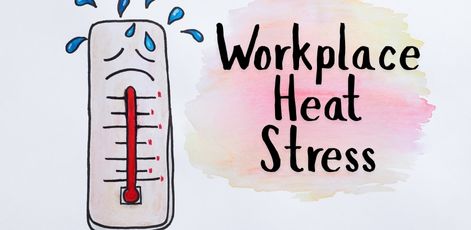
Workplace Heat Stress: Understanding Risks, Symptoms, and Safety Tips for Workers

What Is Workplace Heat Stress? Workplace heat stress occurs when the body overheats due to a combination of metabolic heat, environmental conditions, and clothing worn. When the body cannot cool itself effectively, it leads to physiological heat strain, which can cause exhaustion, serious illness, or even death. Who Is Affected? Globally, over 2.4 billion workers are exposed to extreme heat at work, resulting in around 22.85 million occupational injuries every year. More than one-third of workers who frequently work in hot conditions experience significant heat-related strain. Health Effects of Heat Stress Prolonged exposure to heat can cause: – Hyperthermia (dangerously high body temperature)– Fainting or dizziness (syncope)– Dehydration and kidney problems– Neurological dysfunction– Heat exhaustion and heat stroke A major study found that 35% of people who work regularly in hot conditions experience heat-related illnesses. Worker productivity can drop by 2–3% for every 1°C rise above 20°C in Wet-Bulb Globe Temperature (WBGT), a measure that factors in temperature, humidity, sunlight, and wind. Are Indoor Workers at Risk Too? Yes. Heat stress doesn’t only affect outdoor workers. Those working near furnaces, in greenhouses, coal mines, or poorly ventilated factories face similar risks. Workers wearing protective suits or heavy gear are especially vulnerable due to restricted heat loss. Safe Temperature for Work For an eight-hour shift, a worker’s core body temperature should stay below 38°C. Exceeding this limit increases the risk of heat-related injuries, especially for older adults, pregnant women, people with chronic conditions, and outdoor laborers. Warning Signs to Watch For Mild symptoms include: – Heat fatigue– Rashes– Cramps– Dizziness Severe symptoms needing immediate medical attention include: – Heat exhaustion– Heat stroke (a life-threatening emergency with confusion, loss of consciousness, and extremely high body temperature) Who Is Most at Risk? – Older and middle-aged workers– People with chronic health coconditions– Those performing heavy manual labor– Migrant workers, who may not be acclimatized to the climate and often lack access to protective measures How to Prevent Heat Stress – Key Safety Tips 1. Stay Hydrated – Drink water frequently, even before feeling thirsty.2. Take Regular Breaks – Rest in shaded or cool areas.3. Wear Light Clothing – Choose breathable, loose-fitting garments.4. Monitor Temperature – Keep track of WBGT or local heat advisories.5. Plan Work Wisely – Schedule heavy tasks during cooler parts of the day.6. Educate Workers – Train teams to recognize early heat stress symptoms.7. Implement Heat Action Plans – Follow WHO’s Occupational Heat Action Programme with policies tailored to local conditions and worker needs. In Summary Heat stress is a growing occupational hazard affecting millions worldwide. By recognizing the warning signs early, promoting awareness, and following preventive measures, both employers and workers can ensure a safer, healthier, and more productive workplace – even under extreme heat.   

Health News, News

Foods and Recipes That Help Heal Ulcers!!

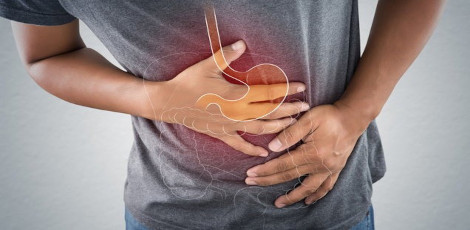
How Ulcers Develop When we eat food that’s tasty but unhealthy, the stomach is often the first to suffer. Among stomach issues, ulcers are one of the most common. Many people rely on quick painkillers to relieve the discomfort, but these only offer temporary relief and can actually worsen ulcers over time. Stress, anxiety, and irregular eating habits can cause the stomach to produce excess acid, leading to ulcers. The primary culprit behind most ulcers is a bacterium called Helicobacter pylori (H. pylori) — which spreads through food, water, or even air. Ulcers usually form in the stomach lining or the duodenum (the first part of the small intestine). These are known as peptic ulcers. Normally, the stomach’s inner walls protect against acids, but when too much acid is produced, these protective layers break down – resulting in painful sores or ulcers. Doctors use endoscopy to diagnose ulcers, detect H. pylori, and determine the severity. In serious cases, ulcers may cause blockage, bleeding, or perforation, requiring medical or even surgical treatment. With proper dietary control and healthy habits, ulcers can heal completely within two weeks. Avoiding spicy, sour, oily, and acidic foods can prevent recurrence and promote healing. Healing Recipes for Ulcer Relief 1. Mustard-Coconut Curd Chutney Ingredients: Mustard seeds – 1 tbsp (10 g)Grated coconut – ½ cup (100 g)Curd (yogurt) – 1 cup (100 ml)Dry ginger powder – a pinchSmall onions – 2Salt – a pinch Method: Chop the onions finely and sauté lightly. Add grated coconut, mustard seeds, and ginger powder, then grind into a smooth paste. Mix the paste with whisked curd and salt. You can eat this chutney plain or with idli or chapati. 2. Vegetable Aviyal Ingredients: Finely chopped carrots, chayote (chow-chow), bottle gourd, potatoes, onions – 1 cup totalCurd – ½ cup (50 ml)Sugar – 1 tsp (5 g)Grated coconut – ¼ cup (25 g)Green gram dal – 2 tbsp (boiled)Salt – to tasteCoconut oil – 1 tsp (5 ml) Method: Boil all the vegetables (except onions) with a little sugar and water until soft. Grind the coconut into a paste. Heat coconut oil in a pan, add onions, and sauté. Then add the cooked vegetables and bring to a boil. Add the coconut paste, salt, and dal. Finally, mix in curd and stir well. Serve with rice or as a side dish for tiffin items. Why These Recipes Work Both dishes include curd and coconut, which promote healthy gut bacteria and aid digestion. Coconut oil acts as a natural healer for ulcers and reduces acidity. Mustard provides protein, calcium, and phosphorus, supporting overall stomach health. Together, these foods help soothe irritation, reduce acid levels, and speed up ulcer healing naturally.

Health News, News

These essential oils can help us to manage psoriasis issue effectively!!

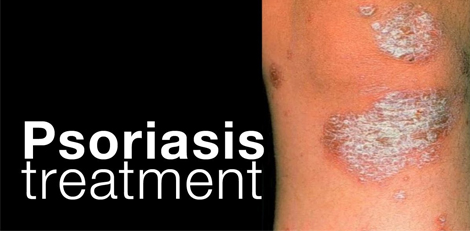
Tried various skin creams suggested by your skin doctor but no improvement in your psoriasis condition and feeling frustrated? Please try essential oils also!! In some persons, their skin cells would grow and accumulate quickly resulting in thick scaly patches on their skin. This is psoriasis and it is a chronic auto-immune skin condition. These persons would have symptoms like redness, itching, burning etc on their skin. The skin doctors would normally recommend corticosteroid creams, vitamin D analogues, coal tar and UV light therapy etc. Psoriasis patients can get superb relief by means of certain essential oils also. The inflammatory, soothing and moisturising properties of these essential oils would reduce irritation, calm down itching and promote healing of dry cracked skin etc. How essential oils can calm down psoriasis? The essential oils would support the overall skin health and would help us to manage the symptoms. It is believed that the regular application of essential oils like tea tree, lavender, chamomile, eucalyptus etc would help in the healing of dry cracked skin. Various essential oils that are effective for psoriasis are Tea tree oil application: It is worthy to note that tea tree oil is known for its antimicrobial and anti-inflammatory properties. Point is that terpinen- 4-ol is a major component of tea tree oil and has antipsoriatic properties in it. The importance of tea tree oil for treating psoriasis has been published in the journal named Skin Pharmacology and Physiology. As this oil can create skin allergy in sensitive skinned persons, these persons must be careful. Black seed oil application: Thymoquinne is present in black seed oil and this oil exhibits anti-inflammatory and antioxidant properties. It has been brought to light by a research study that black seed oil when applied to psoriasis conditions improved skin inflammation. This oil would moisturise and would help in healing. Bergamot oil application: It is worth mentioning that this oil has both anti-inflammatory as well as antibacterial properties in it. Applying this oil would lower redness present on the skin. It was revealed by a study published in the journal Food Science and Nutrition that bergamot oil would reduce psoriatic plaques and improve skin collagen levels. Chamomile oil application: It is true that chamomile oil has calming and anti-inflammatory properties in it. It was brought out by a study published in Phytomedicine that chamomile oil reduced psoriatic inflammations on the skin. Peppermint oil application: Itching and irritation due to psoriasis condition could be relieved by application of peppermint oil with cooling effect. Not only that joint pain due to psoriatic arthritis would also get eased by this superb oil. It is good to use peppermint oil in diluted form to prevent skin irritation etc. Frankincense oil application: Pale golden in colour with superb aroma, frankincense essential oil when applied could reduce the swelling and redness associated with psoriasis. Lavender oil application: Pale yellowish coloured with sweet floral smell lavender oil would reduce skin irritation and pain etc and this could bring relief for psoriatic patients. The anti-inflammatory, antibacterial properties etc of this oil would be superb.

Health News, News

Never keep laptops on your lap directly while working etc for these important reasons, take care!!

If you work by keeping your laptop on your lap directly, then you could be in for huge trouble!! The way we work, study and stay connected with others has been totally transformed by the laptops. Truth is that laptops would provide us with flexibility whereas a desktop won`t.  We can do more harm than good by keeping laptops directly on our laps. Not many would know that continuous contact with a laptop would expose our body to heat and EMF radiation etc. We can get these issues by keeping laptops directly on our laps. Our reproductive organ can get harmed: Our reproductive systems would get exposed to both heat as well as EMF radiation. It has been brought to light that wireless- connected laptops would emit low level microwave radiation and this would affect both DNA structure and sperm health in men.  It is learnt that Wi-Fi radiations would lower sperm mobility and increase DNA damage. In women, prolonged exposure to laptops by keeping on the lap would influence hormonal regulation and egg health. By this, getting pregnant or conceiving would be difficult. Burn or damage skin: Have you heard about toasted skin syndrome before? The truth is that it is a heat related condition that occurs by keeping the laptop directly over the lap. It would be seen as red mottled patches on the thighs. This condition is also known as erythema ab igne. It was revealed by a research study published in the journal AAD that continuous exposure to low level heat from laptops could result in localised skin discolouration and inflammation. Though this is temporary and would disappear once exposure stops but frequent contacts can cause discolouration permanently. More risk of getting certain cancers: We can get heat accumulation by keeping laptops on the laps for longer duration. By this, our skin cells would get damaged also. The shocking truth is that by keeping the laptops close to the lower abdomen or reproductive organ etc we can get certain cancers affecting testes and ovaries etc. To avoid getting cancer, it is a must to maintain a certain distance between our body and laptop. Neck pain and back pain etc; There are more chances of poor posture by using laptops. More strain would be put on our neck, spine and shoulders etc if we hunch over while typing etc. It must be noted that over time this can result in stiffness, back pain etc. It must be taken into note that our neck would bend at a sharper angle if we keep laptops on our laps. This would increase the tension and muscle fatigue. . By keeping the laptop on the desk and elevating the screen to eye level we could avoid discomfort. Disrupts sleep: Without knowing how laptops would affect our sleep, many of us use laptops in the bed. Bitter fact is that the blue light emitted from the laptop screen would interfere with the melatonin production. It is known that melatonin hormone plays a huge role in the sleep cycle. When the melatonin levels are reduced, then our sleep quality would get affected. We could feel tired and would have poor concentration etc. Please take care. Complications in pregnancy: Pregnant women would be at huge risk if they keep laptops on their abdomen or stomach. It is worthy to note that laptops could produce heat and electromagnetic radiation etc and this would go into the body tissues and finally reach the baby also. There might be some issues to the foetal development by prolonged usage of laptop. So, please be careful.

Scroll to Top