Health News

Health News, News

Why Does Our Immunity Drop During Seasonal Changes? How to Stay Protected

When the weather shifts suddenly, many people begin to experience issues like cold, cough, fever, sore throat, or fatigue. One major reason is that seasonal changes can put extra stress on the immune system, making the body more vulnerable to infections. 1. Rapid Weather FluctuationsQuick changes in temperature can disturb the body’s internal balance. This may weaken immune response and increase the risk of viral and bacterial infections. 2. Extra Energy Demand on the BodyWhen temperatures rise or fall, the body works harder to maintain its normal warmth. This can drain energy and place more pressure on the immune system. 3. Increase in Allergens and GermsDuring shifting seasons, elements like dust, pollen, viruses, and fungi become more active in the air. These can stress the immune system, making it harder for the body to defend itself. 4. Cold Air Weakens Protective BarriersCooler weather may affect the nose, throat, skin, and lungs, reducing their ability to block germs. Even a small drop in body temperature can negatively impact immunity. 5. Disturbed Routine and StressSeasonal changes often disrupt sleep patterns and daily habits. Lack of rest and increased stress can alter hormone levels, further lowering immune strength. How to Stay Protected – Eat nutritious foods, especially fruits and vegetables rich in vitamin C like lemon, amla, and other citrus fruits.– Stay hydrated, particularly in colder months.– Exercise 30–60 minutes daily to support immune function.– Get 7–8 hours of sleep every night.– Manage stress through relaxation or mindful habits.– Consult a doctor instead of self-treatment if you feel unwell. Disclaimer: The information above is shared for general awareness only. It is not a medical diagnosis or treatment plan. For any health concerns, please seek advice from a qualified healthcare professional.   

Health News, News

What Happens If You Drink Lemon Juice Every Day? Here’s What You Should Know

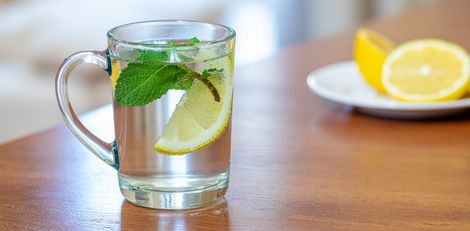
Lemon is a bright yellow citrus fruit known for its tangy flavor and rich nutrients. Having a small amount of lemon or lemon juice daily may offer several wellness benefits thanks to its natural plant compounds and vitamin content. 1. Supports Healthy Digestion – Lemon juice can help stimulate digestive fluids and bile, which may improve digestion, reduce bloating, and promote smoother bowel movements. 2. Helps Strengthen Immunity – Because lemon is rich in vitamin C, it may support your immune system and help your body handle seasonal illnesses more effectively. 3. May Help Maintain Balance in the Body – Though lemon tastes acidic, its properties may help reduce inflammation and support the body’s natural balance after digestion. 4. Promotes Healthier Skin – Vitamin C and antioxidants in lemon can help fight free radicals, support collagen production, and contribute to clearer, brighter-looking skin. 5. Supports Weight Management – The pectin fiber in lemon may help you feel full longer, reducing unnecessary snacking. Warm water with lemon might also help improve digestion and support metabolism. 6. Can Improve Mood and Freshness – Lemon’s refreshing scent and nutrients may help boost energy, reduce stress, and improve mental clarity. Disclaimer: This information is for general awareness only. It is not medical advice. Please consult a qualified healthcare professional before making dietary changes.

Health News, News

Is Guava Good for Diabetes?

Guava is a fruit many of us grew up loving – whether eaten fresh, with salt and chilli powder, or plucked straight from a neighbourhood tree. But beyond nostalgia, guava is often praised as a diabetic-friendly fruit. So is it really good for people who are trying to manage their blood sugar? Let’s break it down in a simple and practical way. Types of Guava You’ll mostly find two common varieties in local markets: – White-flesh guava – Mildly sweet, rich in fibre, and lower in natural sugars.– Pink-flesh guava – Sweeter, juicier, and higher in antioxidants like lycopene. Both kinds are nutritious, but white guava is slightly better for people watching their sugar intake, while pink guava offers more antioxidants. Nutritional Value of Guava (per 100 g)According to IFCT (2017): – White guava: 32 kcal, 5 g carbs, 9 g fibre, 4 g natural sugar– Pink guava: 47 kcal, 9 g carbs, 7 g fibre, 8 g natural sugar Regardless of the type, guava is packed with fibre, vitamin C, potassium, and antioxidants. Glycemic Index (GI) of GuavaGuava has a very low GI of around 12, which means it raises blood sugar levels slowly. This makes it a safe and steady fruit option for most people with diabetes. Is Guava Good for Diabetes?Yes. When eaten in moderation, guava can support better blood sugar control. Here’s why: 1. High in FibreFibre slows down carbohydrate absorption, preventing sudden spikes in blood sugar. 2. Strengthens ImmunityRich in vitamin C, guava helps protect the body from oxidative stress – something people with diabetes are more prone to. 3. Helps With Weight ManagementLow in calories but filling, guava keeps hunger in check and reduces unhealthy snacking. 4. Heart-FriendlyIngredients like potassium and antioxidants support heart health – a key concern for people with diabetes. 5. Supports DigestionThe fibre in guava promotes better gut health and helps prevent constipation. Does Guava Spike Blood Sugar?No. Because of its fibre content and low GI, guava is unlikely to cause a sharp rise in blood glucose when eaten in recommended portions. How to Eat Guava if You Have DiabetesHere are some simple, diabetes-friendly ways to enjoy it: – Eat it raw after washing thoroughly.– Guava sabzi – A sweet-tangy Gujarati preparation.– Guava chutney – Blends well with mint, coriander, and lemon.– Raita or salad – Add chopped guava to dahi for a refreshing side dish. How Much Guava Can a Diabetic Eat?Most adults with diabetes can safely eat one medium guava per day. Best Time to Eat GuavaHave it as a mid-morning or afternoon snack. Avoid eating it late at night, as its fibre may cause bloating for some people. Possible Side EffectsGuava is generally safe, but: – Too much can cause bloating due to high fibre.– Eating chilled guava may irritate the throat in sensitive individuals.– Rarely, some people may experience allergies. Always watch how your body responds. Pink or White – Which Is Better for Diabetes?Experts say pink guava has the edge because: – It contains more antioxidants (like lycopene).– It offers slightly more fibre, which helps stabilize blood sugar.– It provides better heart-protective benefits. However, both are good, and the best option is often to eat the fruit whole with the skin (washed well) to maximize fibre. The Bottom LineGuava is a nutritious, low-GI, fibre-rich fruit that fits well into a diabetes-friendly diet. Whether white or pink, enjoying one guava a day can support blood sugar management, improve digestion, and boost overall health. DisclaimerThis article is meant for general informational purposes only. It should not be taken as medical advice. Please consult a qualified healthcare professional for guidance tailored to your health needs.

Health News, News

The “6-6-6 Walking Rule”: A Simple Formula to Make Your Walk More Effective

Walking is one of the easiest ways to improve your health, but how you walk can be just as important as how long you walk. To help people get more out of their routine, fitness experts highlight a simple approach known as the 6-6-6 Rule. What Is the 6-6-6 Rule? The idea behind this rule is to structure your walking session so your body warms up properly, performs efficiently, and recovers well afterward. 1. Do a 6-minute warm-up Before you start walking briskly, spend about 6 minutes loosening your muscles with light stretches or slow-paced movement. This preps your body and helps prevent stiffness. 2. Walk for up to 60 minutes A steady, brisk walk for around one hour can support heart health, help control weight, and boost energy levels. You can adjust the time if you`re a beginner. 3. Finish with a 6-minute cool-down Slowing down and stretching for another 6 minutes after your walk helps your heartbeat settle and reduces muscle tension. An Alternate Interpretation of the Rule Some experts also suggest a different version: Walk at 6 AM or 6 PMDo it 6 days a week Why Walking Regularly Matters Staying consistent with walking can lead to better sleep, improved mood, sharper focus, and steadier weight management. Research also suggests regular walking may help reduce the risk of chronic conditions and support healthy ageing. For Beginners If you`re just getting started, don’t aim for 60 minutes immediately. Begin with 10–15 minutes and slowly increase the duration as your endurance improves. Disclaimer This content is for general informational purposes only and is not a substitute for professional medical advice. Always consult a healthcare provider before making changes to your exercise routine.   

Health News, News

Not Cleaning Your Makeup Properly? It Could Lead to a Painful Eyelid Lump

If you’ve ever noticed a small bump forming on your eyelid, you might assume it’s just irritation or a temporary reaction. But in many cases, that tiny lump could be a sign of a blocked oil gland- something commonly known as a chalazion. These bumps are usually harmless, but they can become uncomfortable or interfere with your appearance if ignored. Here’s what you should know about them and how simple hygiene habits can help prevent them. What Exactly Is a Chalazion? A chalazion develops when one of the oil-producing glands in your eyelid gets clogged. These meibomian glands release oils that keep your eyes moist and healthy. When oil thickens or doesn’t drain properly, the trapped buildup causes swelling and forms a lump. Unlike styes, chalazia often don’t hurt, but they can linger for weeks if the blockage isn’t cleared. Why Does It Happen? Several everyday habits or underlying skin issues can increase the chances of developing a chalazion. Some common triggers include: – Not removing eye makeup properly, which leaves residue that blocks the glands– Poor eyelid hygiene, allowing dirt, sweat, and old makeup to accumulate– Skin conditions like blepharitis or rosacea, which naturally affect the glands– Frequent eye rubbing, which introduces bacteria and irritates the eyelid Over time, these factors disrupt the normal oil flow and lead to gland congestion. Simple Ways to Prevent Eyelid Lumps Good hygiene can greatly reduce your risk. Here are some easy habits that help keep your eyelids clear and healthy: – Remove all eye makeup every night, using a gentle makeup remover– Clean your eyelids regularly with a mild cleansing solution or diluted baby shampoo– Use warm compresses for a few minutes daily to soften hardened oil and support natural drainage– Never sleep with makeup on, especially mascara, eyeliner, and eyeshadow– Keep your hands clean and avoid touching or rubbing your eyes unnecessarily These small steps help ensure your eyelid glands function smoothly. When Should You Seek Medical Help? Most chalazia shrink naturally over time. But if the lump persists, becomes very large, or keeps returning, a medical check-up is recommended. Doctors may suggest warm compress therapy, prescription treatment, or minor drainage if needed. Maintaining regular eyelid hygiene not only prevents these lumps but also promotes overall eye comfort and health.   Disclaimer: This rewritten article is for general informational purposes only and is not a substitute for professionalal medical advice, diagnosis, or treatment. Always consult a qualified healthcare provider for any concerns related to your eyes or health.   

Health News, News

Noticing More Grey Hair Lately? These Lesser-Known Reasons May Surprise You

Finding a few strands of grey hair can feel alarming, especially when it happens earlier than expected. While genetics and age play major roles, experts say certain nutritional gaps can make greying appear sooner. How Vitamin Deficiencies Influence Early Greying Hair gets its colour from melanin, produced by specialised cells in the follicles. When these cells slow down, greying begins naturally. But low levels of essential nutrients can speed up the process. – Vitamin B12– Zinc– Magnesium– Copper These nutrients support melanin production and help pigment cells function efficiently. Why Vitamin B12 Matters for Hair Colour Vitamin B12 is vital for cell renewal and red blood cell formation. When levels drop, pigment cells don’t function well, which may trigger early greying. Eggs, dairy, and fortified cereals can help maintain healthy B12 levels. The Role of Vitamin D Vitamin D supports overall follicle health. Sunlight, fatty fish, fortified milk, and egg yolks help balance vitamin D levels for stronger hair. Biotin (Vitamin B7) and Hair Strength Biotin strengthens hair and supports healthy growth. Though deficiency is rare, low biotin can weaken strands and may contribute to greying. Nuts, seeds, whole grains, legumes, and leafy greens are good sources. Important Minerals: Copper, Zinc & Iron Copper helps form melanin, zinc supports tissue repair, and iron fuels healthy follicle function. Low levels of these minerals are linked to premature greying. Cinnamon & Honey for Cold Relief: Do They Really Help? Cinnamon and honey are long-used traditional remedies for easing cold symptoms. While they cannot cure a cold, they can offer soothing relief. How Honey Helps Honey coats the throat, easing irritation and reducing cough. Some studies report improved sleep for children with nighttime coughing. Benefits of Cinnamon Cinnamon contains natural compounds that help loosen mucus and support easier breathing. It also has anti-inflammatory and mild antiviral properties. A Simple Home Mix Ingredients:– 1 tsp ground cinnamon– 1/4 cup honey Mix together and take 1 teaspoon up to three times a day. You may also add it to warm water or herbal tea for comfort. Precautions – Use cinnamon in small amounts only– Avoid if you have liver issues or cinnamon allergies– Not suitable for children underer one year– Those with pollen allergies should avoid raw honey Disclaimer: This rewritten content is for informational purposes only and should not be taken as medical advice. Always consult a healthcare professional.   

Health News, News

Can Eating Too Little Salt Cause Problems? Heres What You Need to Know

We often hear that eating too much salt is harmful. But surprisingly, eating too little salt can also affect your health. Salt is an essential mineral that helps maintain fluid balance, supports nerve function, and keeps your muscles working properly. Your body needs the right amount – not too much, not too little. Doctors warn that consuming less than one teaspoon of salt a day can lead to unexpected health issues. It may affect your blood pressure, metabolism, and overall energy levels. 5 Major Risks of Taking Too Little Salt 1 – Low Blood PressureWhen your body doesn’t get enough salt, blood volume can drop, leading to dizziness, fainting, or unusual tiredness. 2 – Electrolyte ImbalanceLow salt intake can disturb sodium-potassium balance, causing muscle cramps, weakness, spasms, or rapid heartbeat. 3 – Metabolism IssuesVery low sodium levels can slow metabolism and affect insulin sensitivity, leading to fatigue and sluggishness. 4 – Hormone DisruptionExtremely low salt intake triggers hormonal changes, increasing stress, tiredness, and fluctuations in adrenal-related hormones. 5 – Risk of HyponatremiaSeverely low sodium can cause hyponatremia, with symptoms like headache, nausea, confusion, seizures, or swelling of the brain. How Much Salt Should You Consume?Most adults need around 1,500–2,300 mg of sodium per day (two-thirds to one teaspoon of salt). Requirements may vary based on activity level, climate, and health conditions. Disclaimer: This article is for information purposes only and not medical advice. Consult a healthcare professional for personalised guidance.   

Health News, News

When Anxiety and Sleepless Nights Feed Each Other: Understanding the Vicious Cycle

Sleepless nights and anxious minds often go hand in hand, creating a relentless cycle that can affect mood, focus, and overall well-being. Experts say this is becoming an invisible epidemic in modern life. How Sleep and Anxiety InteractDr. Sibasish Dey, Head of Medical Affairs, South Asia, Resmed, explains that poor sleep and anxiety are closely linked — “two sides of the same coin.” – Lack of sleep raises stress hormones like cortisol, making emotional regulation harder.– The next day, increased anxiety and irritability make it even harder to fall asleep at night. This creates a self-reinforcing loop affecting millions, from young professionals to students juggling erratic schedules. The Science Behind the Sleepless SpiralDr. Dey identifies four key mechanisms connecting sleep loss with anxiety: 1. Neuroinflammation: Sleep deprivation triggers inflammation in the brain, impairing cognition and increasing susceptibility to anxiety and depression.2. Gut-Brain Disruption: Poor sleep affects gut bacteria, which communicate with the brain, worsening stress and mood regulation.3. Emotional Dysregulation: Sleep loss weakens the prefrontal cortex, allowing the amygdala (the brain’s fear centre) to overreact to minor triggers.4. Hormonal Imbalance: Elevated nighttime cortisol keeps the nervous system on high alert, preventing restful sleep. How Anxiety Interferes with SleepAnxiety itself can prevent relaxation. Racing thoughts and mental hyperarousal keep the body alert, causing fragmented or shallow sleep, which further amplifies daytime stress — a classic self-reinforcing loop. Breaking the CycleDr. Dey emphasizes addressing both sleep and anxiety together. Key strategies include: – Sleep hygiene: Maintain a consistent schedule, avoid late meals, and get 30 minutes of daily activity.– Mindful evenings: Practice deep breathing, meditation, or progressive muscle relaxation before bed.– Digital detox: Limit screens 30–60 minutes before sleeping; keep the room cool, dark, and quiet. For some, poor sleep may have medical roots like sleep apnea, which interrupts breathing and reduces rest quality. Treatments like CPAP can improve both sleep and mental alertness. TakeawaySleep is essential for mental and physical health — as vital as food or air. Breaking the anxiety-sleep cycle may take small, consistent habits, lifestyle adjustments, and, in some cases, medical intervention. Prioritizing rest isn’t laziness; it’s a necessity for a healthier, calmer life. Disclaimer: This article is for informational purposes only and is not a substitute for professional medical advicice. Always consult a qualified healthcare provider before making changes to your sleep habits, lifestyle, or treatment plan.   

Health News, News

5 Powerful Health Benefits of Pumpkin Seeds Every Woman Should Know!!

5 Powerful Health Benefits of Pumpkin Seeds Every Woman Should Know!! They may look tiny, but pumpkin seeds pack a serious punch. Behind their simple shell lies a world of nutrients that can make a real difference to women’s everyday health, from boosting energy and balancing hormones to improving sleep and keeping the heart strong. If you’re looking for one easy habit to support your body, adding a small handful of pumpkin seeds to your routine might be the simplest step you can take. 1. A Nutrient Goldmine in Every Handful Pumpkin seeds are rich in magnesium, zinc, and iron, three nutrients that many women tend to fall short on. – Magnesium helps regulate mood, muscle function, and bone health. – Zinc supports immunity, skin repair, and hormone balance. – Iron helps prevent tiredness and fatigue caused by low red blood cell levels. Together, these minerals work quietly behind the scenes to keep you feeling strong and energized. 2. Gentle Hormonal Balance Women’s hormones shift naturally through the month and even more so during pregnancy or menopause. Pumpkin seeds contain plant compounds and healthy fats that can help your body adjust more smoothly. Their zinc content supports the natural production of key hormones, helping you maintain balance without drastic changes to your diet. 3. Heart and Energy Support Packed with healthy fats, fibre, and protein, pumpkin seeds are great for your heart and metabolism. They help maintain healthy cholesterol and blood pressure levels and can even improve blood-sugar control. Eating them regularly also helps you feel full longer, reducing unnecessary snacking or energy crashes. 4. Strength for Bones That Last Bone strength often becomes a bigger concern after menopause, but you can support it long before that. Pumpkin seeds provide magnesium, phosphorus, and manganese, nutrients that help your body use calcium effectively and keep bones dense and resilient. Just a small handful a day can make a meaningful difference over time. 5. Better Sleep and a Calmer Mind Struggling with restless nights or mood swings? Pumpkin seeds might help. They’re a natural source of tryptophan, an amino acid that helps your body produce serotonin and melatonin, both essential for good sleep and emotional balance. Combined with magnesium, they can help you unwind and rest more deeply. Easy Ways to Eat Them The best part? Pumpkin seeds are incredibly easy to use. Sprinkle them on your salad, yogurt, smoothie, or oatmeal. Toss them into stir-fries, soups, or baked goods. Go for unsalted or lightly roasted seeds, and store t them in an airtight container or fridge to keep them fresh. A small handful, about ¼ cup, is all you need each day to reap the benefits. Sometimes, wellness really does come in the smallest packages. Disclaimer: This article is for informational purposes only and should not replace medical advice. Always consult a qualified healthcare professional before making changes to your diet or lifestyle.

Health News, News

How Long Does It Really Take for Water to Hydrate Your Body?

We often hear that drinking enough water is essential for good health, but how long does it actually take for water to hydrate your body after you drink it? While hydration feels instant, the science behind it reveals a complex process involving absorption, distribution, and cellular balance. Recent research using isotope tracing shows how quickly water moves from your digestive system to your bloodstream and throughout your body — helping you understand how to manage hydration for better health and energy. What Happens Right After You Drink Water Once you drink water, it begins its journey through your digestive system almost immediately. Absorption happens mainly in the small intestine, not the stomach. A study published in Springer found that: – Water appeared in the bloodstream within 5 minutes of drinking. – Half of the water was absorbed within 11–13 minutes. – Full absorption took about 75–120 minutes. Pure, low-mineral water absorbs faster than sugary or mineral-heavy drinks because it moves more easily through the stomach and intestines. So, if you drink a glass of plain water on an empty stomach, it starts hydrating you within minutes. When Does Water Reach All Parts of the Body? After absorption, water travels through your bloodstream and spreads across your body’s tissues. Since 60–70% of your body is water, this distribution is essential for maintaining balance. – First 15 minutes: Water enters the bloodstream. – Within 1–2 hours: It spreads evenly across tissues and body fluids. Water first reaches organs with high blood flow (like the liver and kidneys) before slowly moving into muscles, skin, and other tissues. How Long Until Cells Are Fully Hydrated For full hydration, water must move inside your cells through channels called aquaporins. This process takes varying amounts of time depending on the tissue: – Red blood cells: Almost instant – Liver, kidneys, brain: 30–60 minutes – Muscles and skin: Up to 2 hours Even after drinking, your body continues balancing fluids for up to two hours. Factors like temperature, activity level, and metabolism can speed this up. Does the Body Constantly Replace Its Water? Yes — your body constantly replaces water through a process called water turnover. Research shows the total body water pool is renewed roughly every 50 days, with an average water “residence time” of 10 days. Every day, your body exchanges about 4–5 litres of water through: – Urine – Sweat – Breathing – Digestion This means that steteady intake throughout the day is far more effective than drinking large amounts all at once. What This Means for Your Hydration Habits You might feel quenched quickly, but full hydration takes time. Here are key takeaways to keep in mind: – Hydration starts within 5 minutes, but full absorption takes 1–2 hours. – Plain water hydrates faster than sugary or mineral-rich drinks. – Drink regularly throughout the day — not all at once. – Heat, exercise, and diet affect hydration speed. Think of hydration as a steady process, not an instant fix. Consistent sipping helps your body maintain balance and perform at its best. The Bottom Line So, how long does it take to fully hydrate your body? The short answer: about 75–120 minutes. The long answer: it depends on your body, what you drink, and how active you are. Water starts working within minutes, reaches your bloodstream quickly, and takes up to two hours to fully balance through your tissues. Every sip you take sets off a chain reaction that refreshes and fuels your body from the inside out. Disclaimer: This article is for informational purposes only and should not be considered medical advice. Always consult a healthcare professional before making any changes to your diet, medication, or lifestyle.   

Scroll to Top